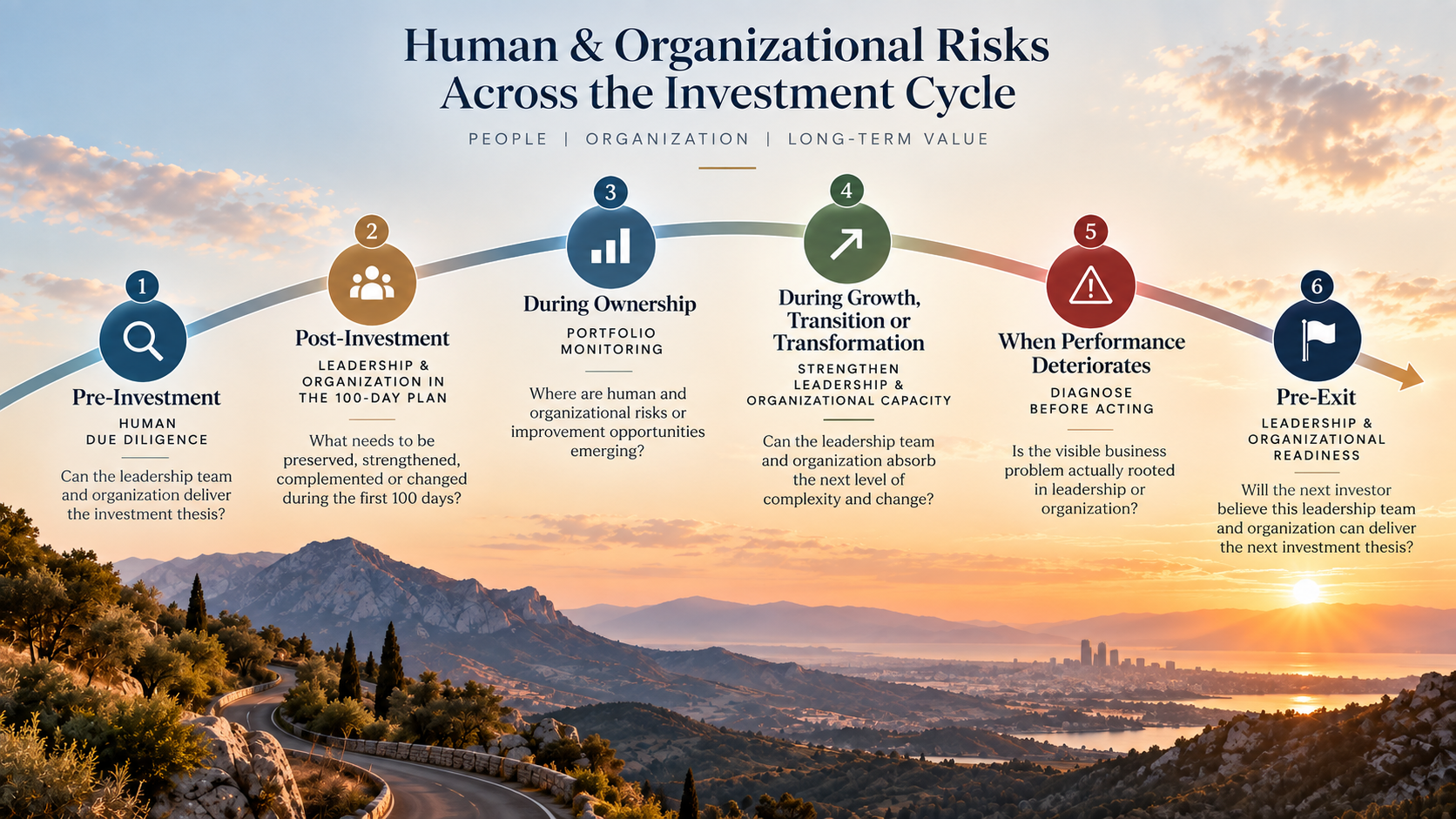

Investors are often in competition and in a hurry to invest when they find a promising investment opportunity. For their part, managers and salespeople tend to present their company in the best possible light during negotiations. As a result, many unpleasant surprises can occur after the agreement has been signed. In this article, we’ll explore several examples of managerial and human problems that investors may discover after investing in a company.
1. Governance issues :
One of the most common post-investment issues is governance. Dysfunctional decision-making and steering bodies, ineffective strategic planning, conflicts of interest, non-compliance with compliance rules and ethical standards, inadequate risk management and a lack of delegation can hamper a company’s development and performance. Resolving these governance issues is essential to the company’s long-term success.
2. Complicated relations with top management :
While during the investment process, the relationship was fluid and things seemed to be going well, investors can also face post-investment challenges in their relationship with company management. Lack of transparency on the part of management, poor or difficult communication with investors, limited sharing of information, failure to respect contractual agreements and failure to take investors’ expectations into account can lead to tensions and misunderstandings. Open and honest communication between all parties is essential to build trust and achieve common goals.
3. Toxic Corporate Culture and Internal Conflicts :
These are some of the issues you may not be aware of before investing. A toxic corporate culture and internal conflicts between executives, managers and employees can have a devastating impact on the working environment. Inappropriate behavior, discrimination, harassment, intimidation and excessive pressure on employees can lead to reduced productivity and engagement. Resolving these issues proactively and fostering a positive work culture are essential to employee well-being and overall company performance.
4. Poor management :
Problems related to skills and management alignment within teams can also be discovered post-investment. Inadequate or missing skills, ineffective management practices, lack of alignment and cohesion between managers, talent attrition, recruitment difficulties and a deteriorating employer brand can all affect a company’s growth prospects. Emphasizing the development of management skills and encouraging good managerial practices are essential to attracting and retaining the best talent.
5. Disorganization :
The clarity and apparent structure of management during pre-investment meetings sometimes contrast with the company’s actual level of organization. A company suffering from disorganization may have an inappropriate organizational structure, unclear reporting lines, inadequate resource management and inefficient processes. Putting in place an effective organizational structure and processes is essential to optimize operational efficiency and ensure a sustainable growth trajectory.
These unpleasant post-investment surprises can have disastrous consequences for both the company and its investors. A loss of investor confidence, a drop in the company’s value, lower productivity and employee commitment, increased turnover, a deterioration in the company’s image and a loss of customers are just some of the potential repercussions. Solving these problems can be time-consuming and costly, impacting the company’s profitability.
To mitigate these risks and make informed investment decisions, a proactive approach is essential. Comprehensive HR due diligence enables investors to assess a company’s human capital, management practices and organizational culture. By identifying potential challenges in advance, investors can make informed decisions and develop strategies to resolve them effectively.
How We Can Help
Many of these issues can be identified much earlier through a structured Human Due Diligence process, helping investors reduce execution risks before—or immediately after—an investment.
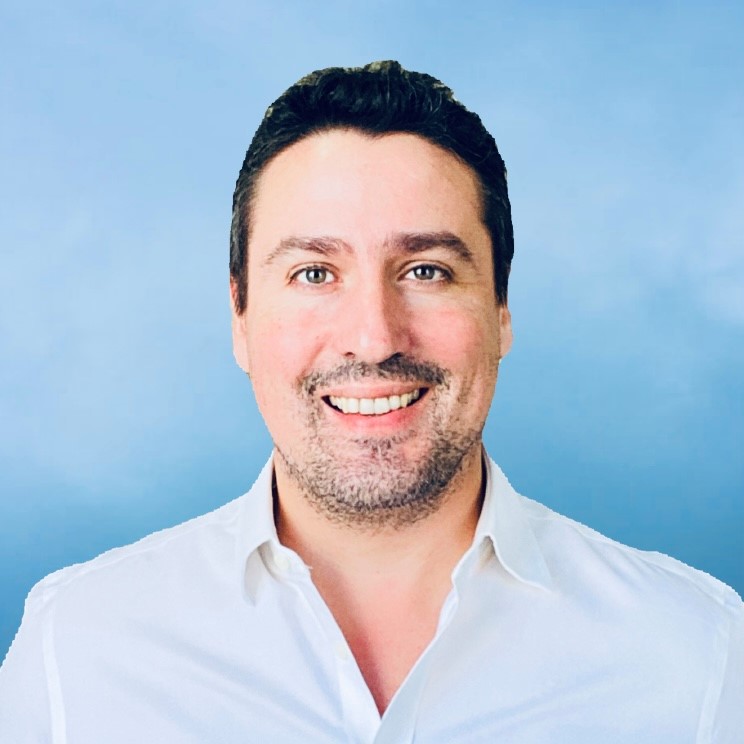
Founder of WINGMIND, David Chouraqui is an Operating Advisor & Executive Coach to PE/VC investors, boards and CEOs. A former private equity investor and entrepreneur, he specializes in Human Due Diligence, leadership assessments, organizational diagnostics and CEO & Board Advisory, helping organizations strengthen the human drivers of execution and value creation.